
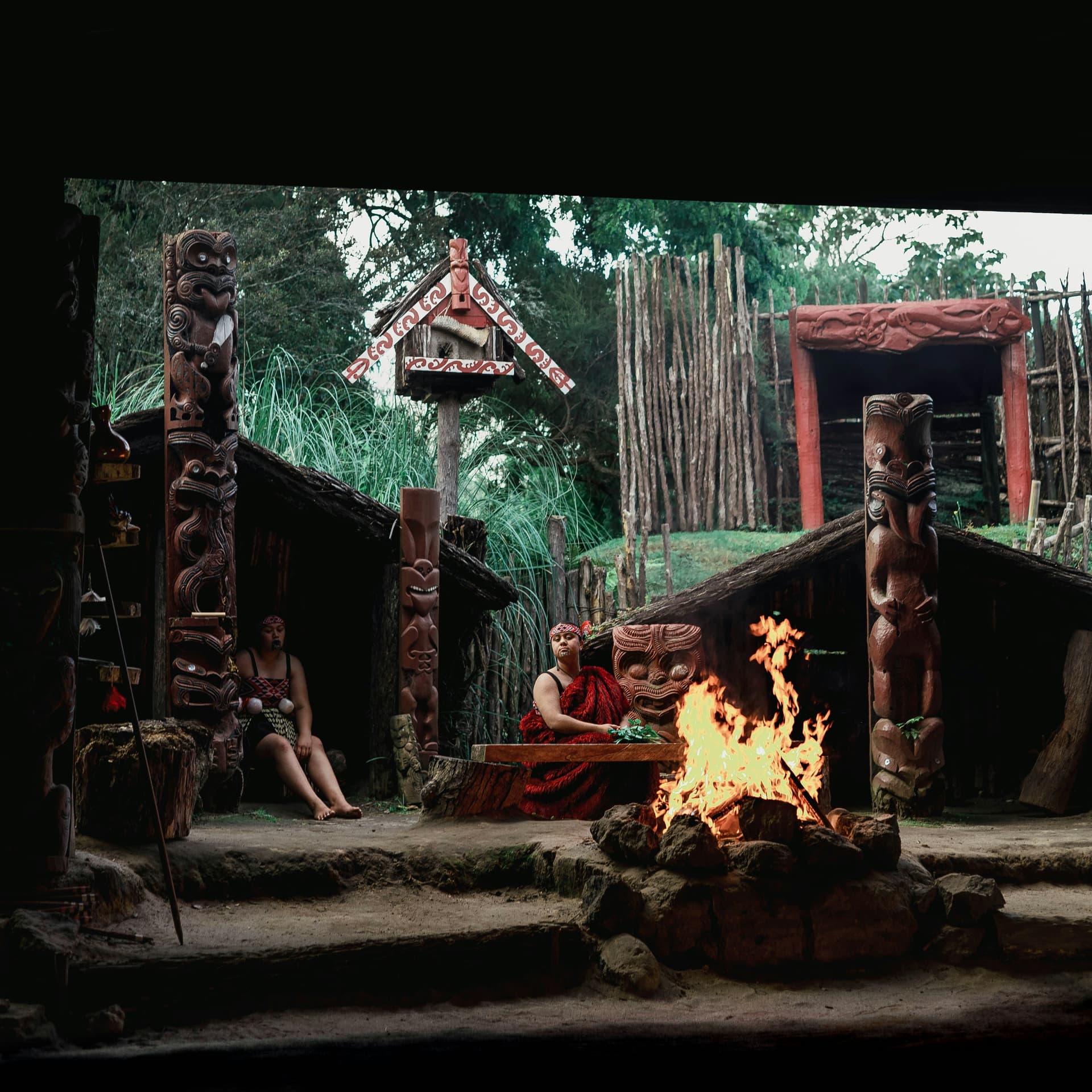
Located in New Zealand's North Island, Rotorua has a deep connection with Māori history, heritage and traditions. The region is home to Māori communities whose ancestral stories, knowledge and relationship with the land continue to shape its identity.
For international visitors, Rotorua offers opportunities to experience Māori culture through traditional performances, storytelling, food, arts and guided cultural experiences.
It is a destination where culture is not simply displayed for visitors – it remains an important part of community life.
Experience Authentic Māori Cultural Traditions
One of the best ways to understand Māori heritage is through experiences hosted by local Māori communities and cultural operators.
Te Puia – Māori Culture and Geothermal Wonders
Te Puia is one of Rotorua's most recognised attractions, combining Māori cultural experiences with spectacular geothermal landscapes.
Visitors can explore the famous Pōhutu Geyser, discover traditional Māori carving and weaving at the New Zealand Māori Arts and Crafts Institute, and enjoy cultural performances featuring waiata (songs), poi and haka.
Whakarewarewa – The Living Māori Village
For a different perspective, visit Whakarewarewa, a living Māori village where families continue to live alongside geothermal activity.
Guided tours introduce visitors to traditional cooking methods using natural geothermal heat, local history and the community's relationship with the surrounding environment.
Te Pā Tū – An Evening of Māori Hospitality
For visitors looking for an immersive evening experience, Te Pā Tū offers Māori storytelling, cultural performances, traditional ceremonies and a seasonal feast.
It is an opportunity to experience manaakitanga – the Māori value of hospitality and caring for visitors.
What Makes Māori Culture Special?
Several cultural traditions help visitors understand the richness of Māori heritage:
-
Haka: A powerful traditional performance expressing identity, unity and emotion.
-
Poi: A traditional performing art involving coordinated movements and rhythm.
-
Whakairo: Māori carving, reflecting ancestral stories and cultural identity.
-
Raranga: Traditional Māori weaving.
-
Hāngī: A traditional cooking method using heated stones in an earth oven.
-
Manaakitanga: The value of hospitality, generosity and caring for others.
These traditions are living expressions of Māori identity and deserve to be experienced with respect.
More Than Just Cultural Experiences
Rotorua also offers incredible natural attractions, making it an ideal destination for travellers with different interests.
Visitors can explore colourful geothermal landscapes at Wai-O-Tapu, walk among towering trees in the Redwoods Forest, relax at Polynesian Spa or enjoy the beautiful lakes surrounding the region.
The combination of culture, nature and adventure makes Rotorua particularly appealing to families, couples, student groups and international tour groups.
How Many Days Should You Spend in Rotorua?
We recommend allowing two to three days to experience Rotorua comfortably.
A suggested itinerary:
Day 1: Visit Te Puia, explore Māori cultural traditions and enjoy a cultural performance.
Day 2: Discover Wai-O-Tapu, explore Redwoods Forest and relax at Polynesian Spa.
Day 3: Explore Lake Rotorua, visit local attractions and enjoy a relaxed departure.
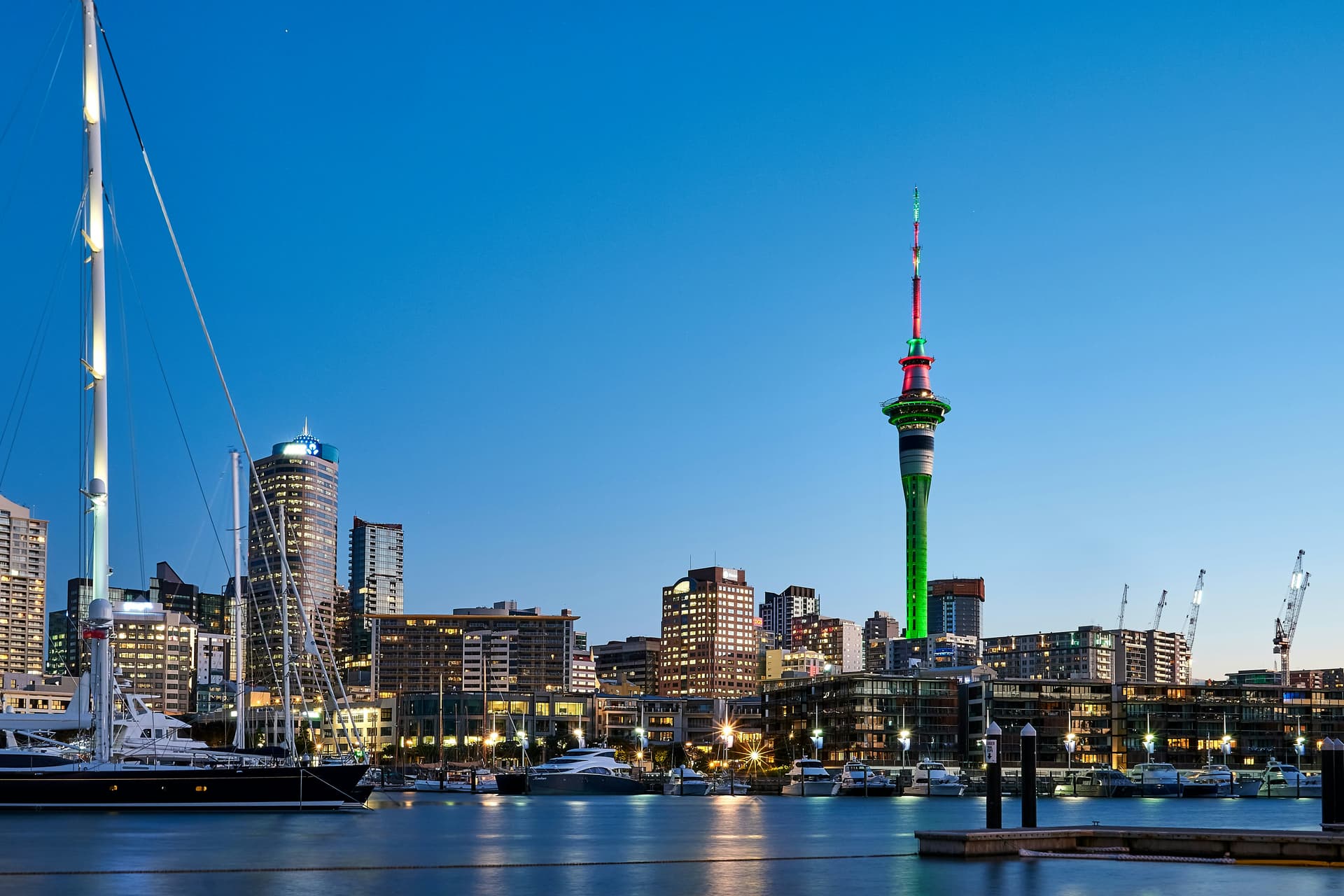
For visitors travelling from Auckland, Rotorua can also be included in a wider North Island itinerary, with opportunities to explore Waitomo and other scenic destinations along the way.
Discover the Cultural Side of New Zealand with The Rayar Way
A visit to New Zealand is not complete without discovering its indigenous culture and heritage.
At The Rayar Way, we create customised New Zealand travel experiences combining cultural encounters, natural attractions and memorable local experiences.
Whether you are planning a private holiday, student tour, family getaway or international group itinerary, we can help you discover Rotorua and the best of New Zealand.
Ready to explore New Zealand?
Discover The Rayar Way and start planning your journey.
Comments (0)
No comments yet. Be the first to add one.